 ← Home
What to Eat in Costa Maya: Yucatecan & Caribbean Flavors
Discover fresh Caribbean seafood, traditional tamales, Yucatecan favorites, everyday Mexican dishes, tropical fruit and the living food culture of southern Quintana Roo.
Wondering what to eat in Costa Maya? The answer goes far beyond a single dish. Food in southern Quintana Roo brings together Maya traditions, Yucatecan favorites, Caribbean seafood, everyday Mexican cooking, tropical ingredients and flavors shaped by generations of regional culture.
Costa Maya is known for turquoise water, tropical beaches and ancient archaeological sites, but food provides another way to understand the region.
Every plate tells part of the story. Maize and achiote connect diners with Maya heritage, freshly caught seafood reflects life along the Caribbean coast, while beans, pork, tortillas and slow-cooked dishes reveal the comforting home-style traditions of the Yucatán Peninsula.
Whether you are visiting from a cruise ship, exploring Mahahual or traveling toward Bacalar and Chacchoben, these are the regional flavors worth discovering.
What to Eat in Costa Maya: The Essential Regional Flavors
Costa Maya is part of southern Quintana Roo, where the Yucatán Peninsula meets the Caribbean. Its cuisine shares ingredients and techniques with Yucatán and Campeche while also reflecting the coastal identity of southern Quintana Roo.
Maya communities have preserved culinary knowledge centered on maize, beans, squash, chile, achiote, pumpkin seeds, local herbs and slow cooking. Along the coast, fish, lobster, shrimp and other seafood are also important ingredients.
At the same time, dishes based on pork, black beans and corn tortillas remain part of everyday home cooking throughout the peninsula. The result is a regional cuisine shaped by landscape, family traditions, history and living culture.
Maya Heritage
Maize, achiote and cooking techniques such as the pib remain part of the peninsula’s culinary identity.
Caribbean Ingredients
Seafood, lime and tropical fruit bring the freshness of the Mexican Caribbean to the table.
Yucatecan Traditions
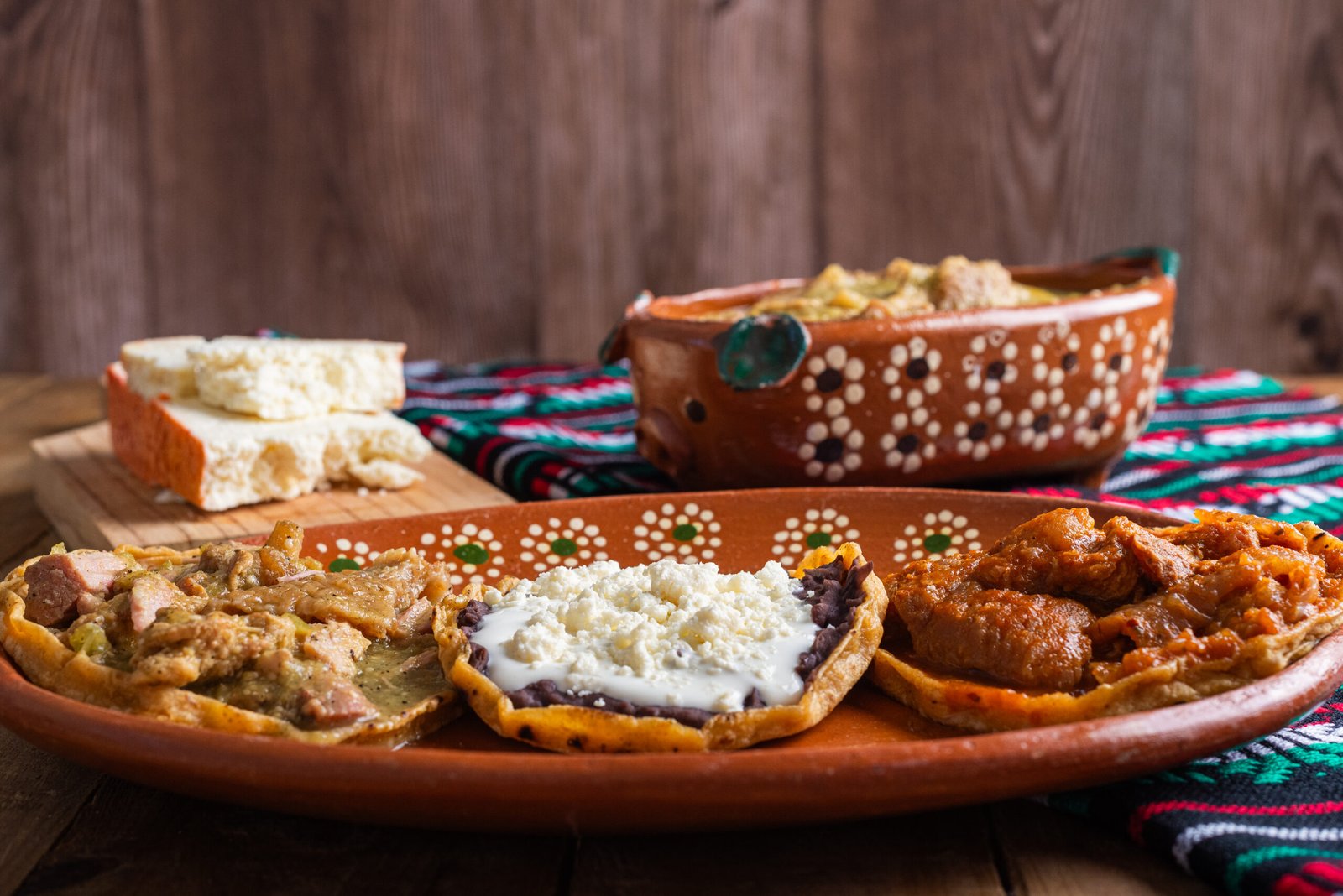
Panuchos, salbutes, cochinita pibil and papadzules connect Costa Maya with the wider Yucatán Peninsula.
Regional Home Cooking
Black beans, pork, maize and slow-cooked recipes reflect the comforting everyday cuisine shared across the Yucatán Peninsula.
Fresh Caribbean Seafood
The Caribbean Sea is never far away in Mahahual. It is natural that seafood plays an important role in the local dining experience.
Ceviche, fried fish, shrimp and lobster are among the most memorable choices for travelers looking for a taste of the coast. Availability can depend on the season and the day’s catch, so asking what is fresh is always a good idea.
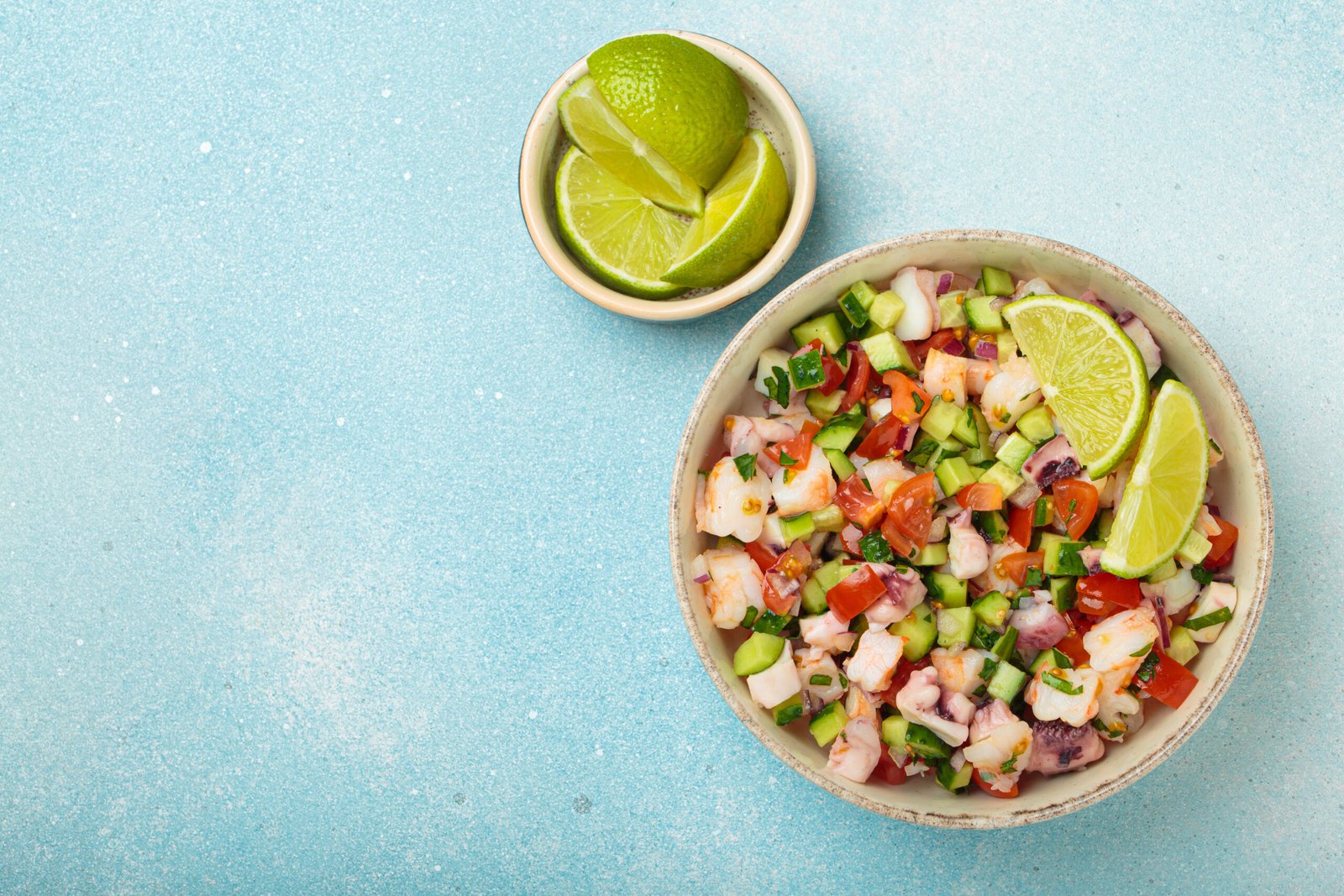
Fresh Ceviche
Ceviche is especially satisfying on a warm tropical day. Fresh seafood is combined with lime juice, tomato, onion, cilantro and chile, creating a dish that is bright, refreshing and full of flavor.
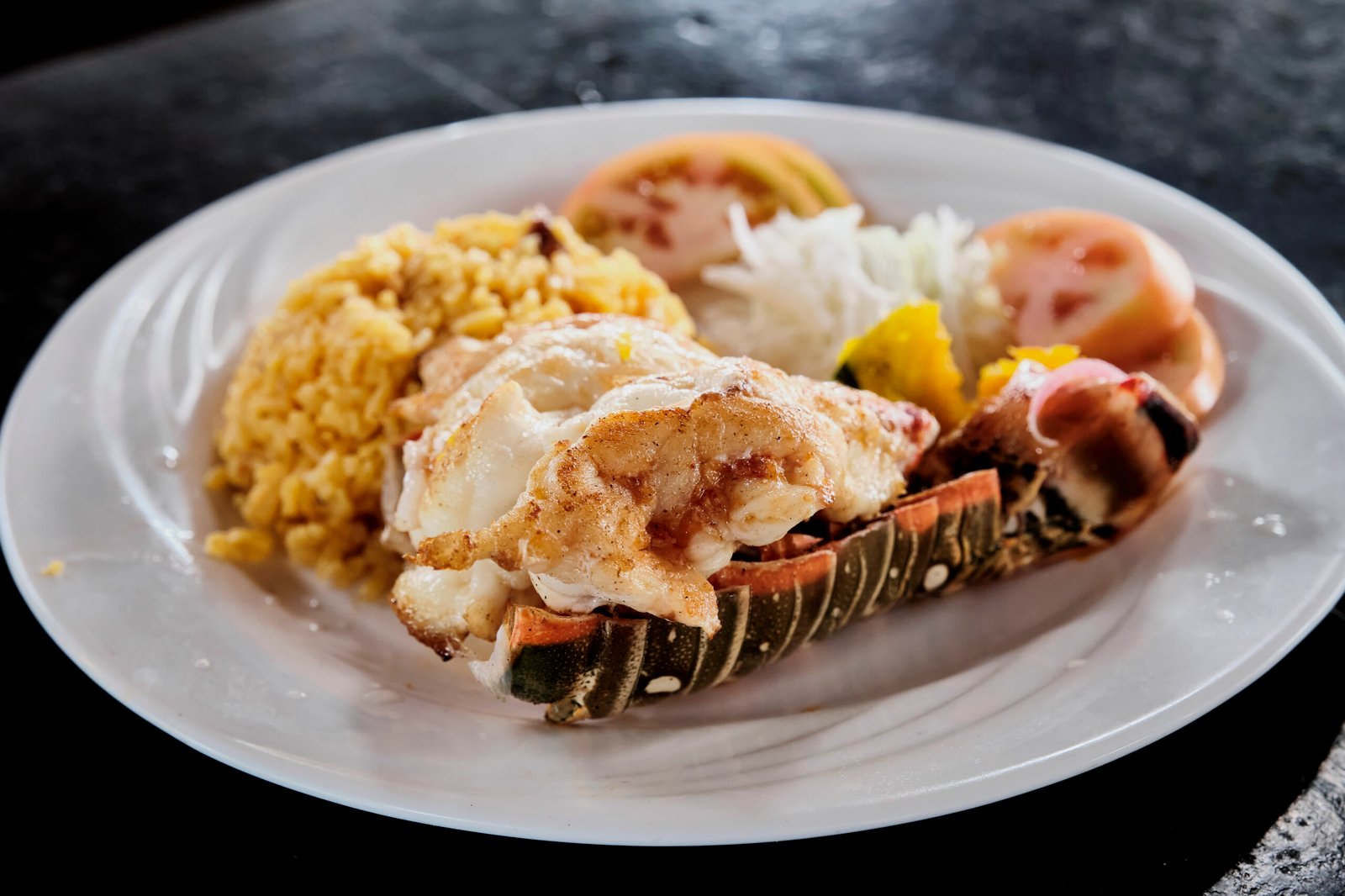
Lobster and the Catch of the Day
Lobster and locally available fish may be served grilled, baked or accompanied by rice and vegetables. These dishes celebrate the relationship between Mahahual and the Caribbean Sea.
Flavors of Costa Maya
Maya Roots and Traditional Cooking
Maya culture is not something that exists only in archaeological sites. It remains alive in communities, languages, agriculture and food traditions throughout the Yucatán Peninsula.
Maize continues to be one of the region’s essential ingredients. It becomes tortillas, tamales, drinks and the foundation of many everyday meals.
Achiote gives color and depth to marinades, while pumpkin seeds appear in sauces and traditional preparations.
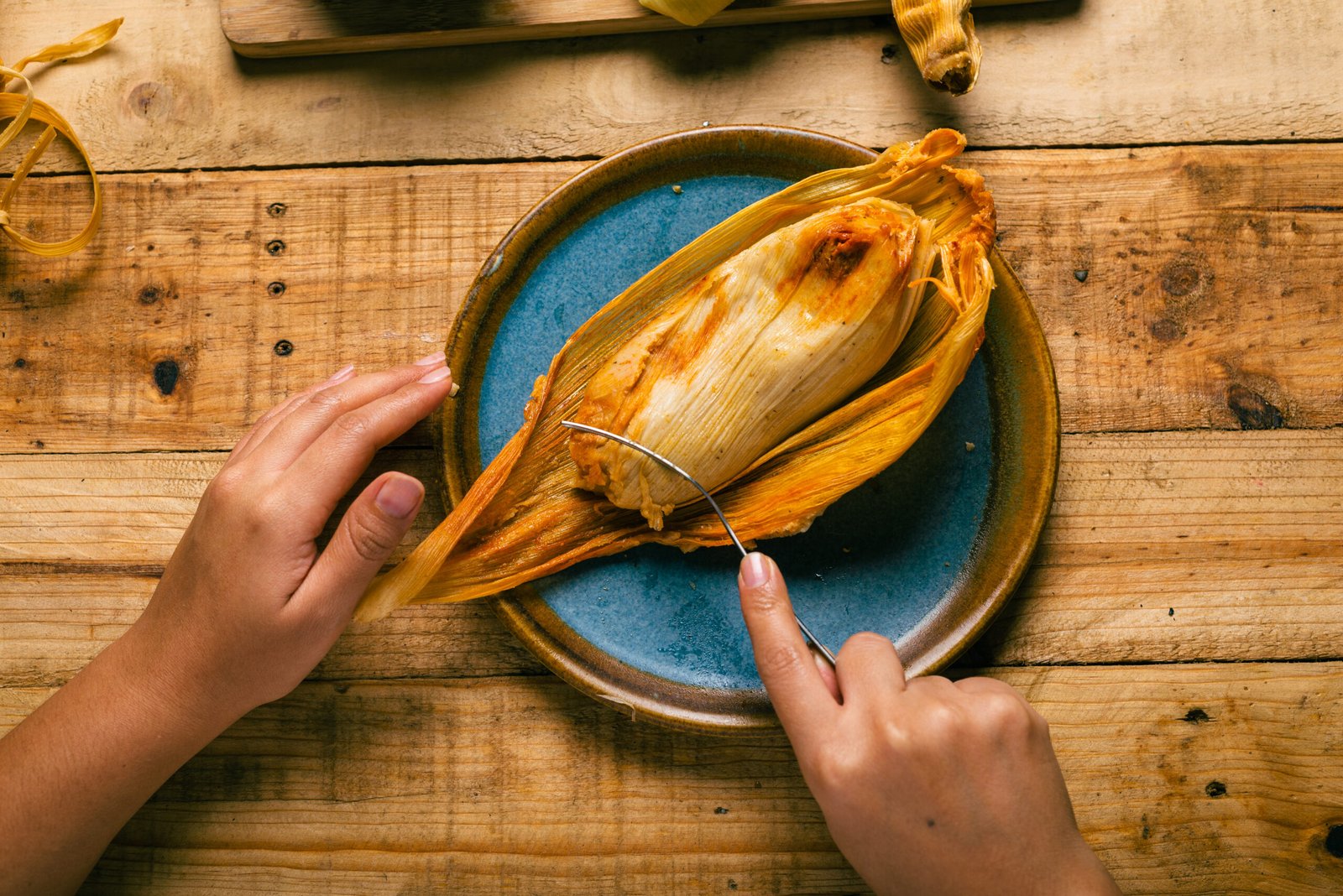
Tamales
Tamales vary from one family and community to another. Masa is filled, wrapped and steamed or cooked according to local tradition. Fillings may include chicken, pork, vegetables or richly seasoned sauces.
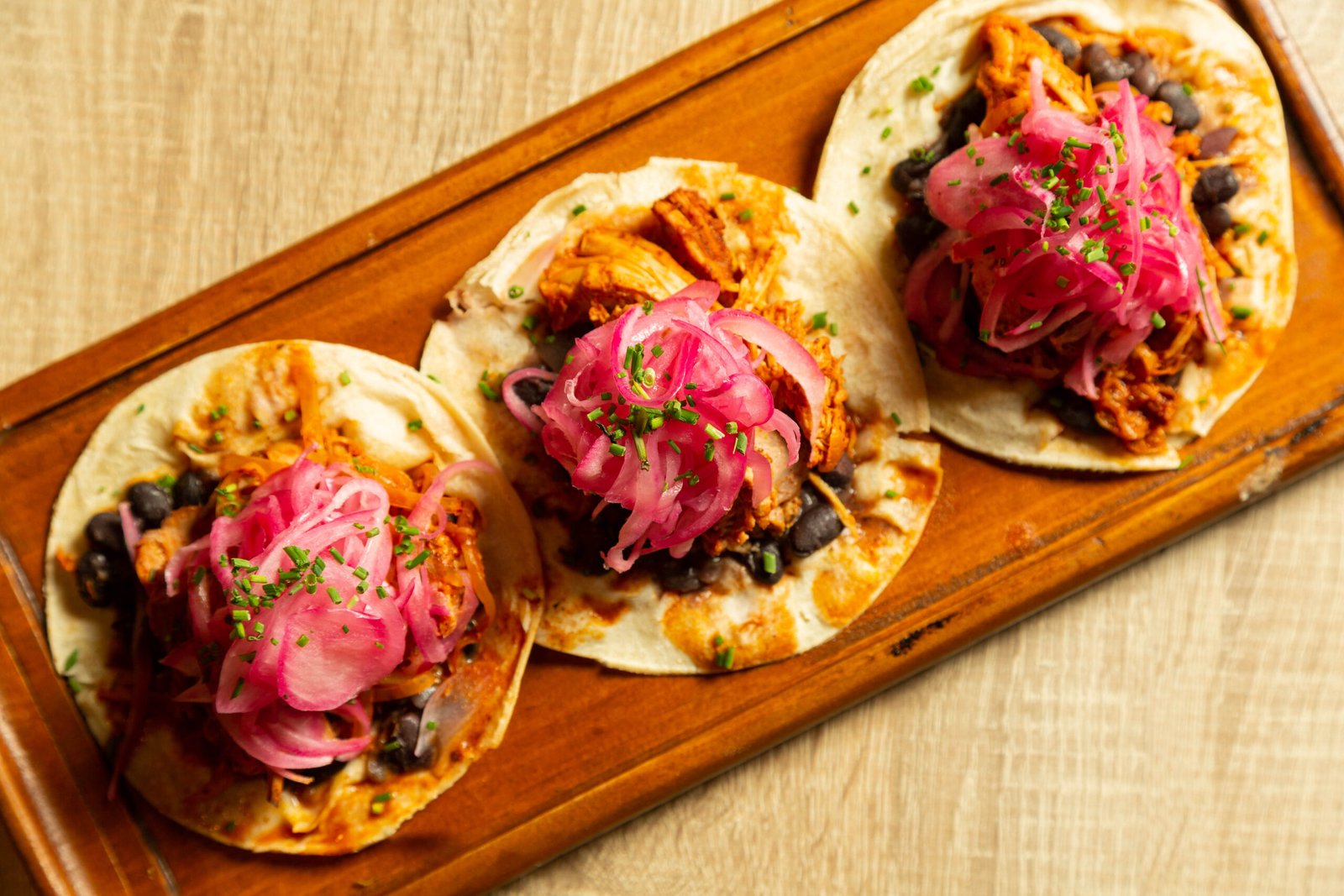
Cochinita Pibil
Cochinita pibil is prepared with pork, achiote and sour orange. The meat is traditionally wrapped in banana leaves and cooked slowly.
Its name refers to the pib, the underground oven historically used for this style of preparation. It is commonly served with pickled red onion and habanero salsa.
Visiting Chacchoben provides a connection with ancient Maya history, while regional food helps travelers understand how Maya knowledge and traditions continue to shape everyday life in southern Quintana Roo.
Yucatecan Favorites to Look For
Quintana Roo shares many flavors with neighboring Yucatán. Travelers may encounter these dishes in restaurants, markets and small local eateries throughout the region.
| Dish | What It Is | Why Try It |
|---|---|---|
| Panuchos | Fried tortillas filled with beans and topped with meat, vegetables and pickled onion. | Crisp, filling and perfect for discovering regional street food. |
| Salbutes | Soft, puffed fried tortillas topped with meat, lettuce, tomato and onion. | Lighter in texture than panuchos and easy to share. |
| Papadzules | Tortillas filled with egg and covered with pumpkin-seed and tomato sauces. | A distinctive example of the peninsula’s use of maize and pumpkin seeds. |
| Relleno Negro | A deeply seasoned preparation known for its dark chile-based recado. | One of the region’s richest and most complex traditional flavors. |
Regional Comfort Food
Some of the most meaningful dishes of southern Quintana Roo are closely connected with the culinary traditions of the Yucatán Peninsula. These are recipes built around simple ingredients, slow cooking and flavors shared across generations.
Frijol con Puerco
Frijol con puerco is a traditional dish of the Yucatán Peninsula made by slowly cooking black beans with pork until both become tender and deeply flavorful.
It is traditionally accompanied by simple garnishes such as chopped radish, cilantro, onion, lime and chile, allowing each person to adjust the flavors at the table.
More than an elaborate restaurant dish, frijol con puerco represents the comforting, home-style side of regional cooking — the kind of meal connected with family kitchens and everyday life throughout the peninsula.
Tropical Fruit
Pineapple, mango, papaya, coconut and other tropical fruits appear in drinks, desserts, snacks and roadside stands.
Travelers heading toward Bacalar may pass through agricultural communities such as Pedro Antonio Santos. Discover the story of the sweet pineapples of southern Quintana Roo .
Marquesitas: A Sweet Favorite of the Yucatán Peninsula
Not every essential taste of the region comes on a dinner plate. Marquesitas are one of the Yucatán Peninsula’s most recognizable street treats and a popular evening snack throughout southeastern Mexico.
A marquesita begins with a thin batter cooked on a hot iron until crisp. While still warm, it is filled and rolled into a long, crunchy cylinder that is served fresh.
One of the classic combinations pairs the sweetness of the crisp wafer with shredded Edam cheese, commonly known throughout the peninsula as queso de bola. That unusual sweet-and-salty contrast is part of what makes the marquesita so distinctive.
Modern versions may also include chocolate spreads, caramel, condensed milk, fruit preserves and other fillings, frequently combined with queso de bola.
If you come across a marquesita stand while exploring southern Quintana Roo, try one fresh from the iron. Its crunchy texture and distinctive combination of sweet fillings with Edam cheese make it one of the peninsula’s most memorable street-food experiences.
Tacos and Everyday Regional Flavors
Some of the most memorable food experiences in southern Quintana Roo are also some of the simplest. Tacos, carnitas, empanadas, panuchos and other everyday dishes offer travelers a casual way to discover local food culture.
Look for freshly prepared corn tortillas, pickled red onion, cilantro, lime, black beans, regional marinades and homemade salsas. These everyday combinations are an important part of the food experience throughout the region.
Carnitas
Carnitas are a Mexican classic made from pork cooked slowly until tender, juicy and richly flavored. They are commonly served in warm corn tortillas with onion, cilantro, lime and salsa.
Simple, satisfying and ideal for a casual meal, carnitas offer a different side of Mexican food for travelers who want to explore beyond seafood and resort-style dining.
Tacos de Cabeza
For curious food lovers, tacos de cabeza are a classic Mexican taco style prepared from slow-cooked beef head cuts. The meat becomes exceptionally tender and is typically served in small corn tortillas with onion, cilantro, lime and salsa.
Different cuts can offer different textures and flavors, making tacos de cabeza an especially interesting choice for travelers who want to try something beyond the most familiar taco fillings.
If you enjoy spicy food, try the salsa gradually. Habanero can be significantly hotter than many travelers expect.
What Should Cruise Visitors Try?
The best choice depends on your schedule, appetite and excursion plans. Cruise passengers should always allow enough time to return to the ship and follow the ship’s official time instructions.
For a Quick Taste
Try tacos, carnitas, panuchos, salbutes or a freshly made marquesita. These are easy to enjoy without turning food into an all-day commitment.
For Seafood Lovers
Ask about the catch of the day, grilled fish, ceviche or seasonal lobster near the coast.
For Cultural Travelers
Look for tamales, cochinita pibil, papadzules, relleno negro or frijol con puerco and discover the traditions behind them.
For Home-Style Flavor
Try frijol con puerco and other slow-cooked regional dishes for a taste of the comforting family cuisine of southern Quintana Roo and the Yucatán Peninsula.
Experience Regional Food Respectfully
- Choose locally owned restaurants and small businesses.
- Ask what seafood and produce are fresh or in season.
- Support roadside farmers and regional food producers.
- Ask respectfully about ingredients and family recipes.
- Remember that Maya cuisine belongs to a living culture.
- Plan meals around your cruise ship’s required return time.
Continue Exploring Costa Maya
Food is only one part of the experience. Read our Costa Maya Cruise Port Guide to plan your arrival, transportation and time beyond the terminal.
You can also explore the Ultimate Bacalar Lagoon Guide , discover the history of the region in our Ultimate Chacchoben Guide or learn what to see and do in Mahahual .
Frequently Asked Questions About Costa Maya Food
What food is Costa Maya known for?
Costa Maya brings together fresh Caribbean seafood, tacos, carnitas, tamales, regional Maya and Yucatecan dishes, frijol con puerco, tropical fruit and street-food favorites such as marquesitas.
What is frijol con puerco?
Frijol con puerco is a traditional Yucatecan dish prepared by slowly cooking black beans with pork. It is commonly served with garnishes such as radish, cilantro, onion, lime and chile.
What is a marquesita?
A marquesita is a crisp rolled street snack associated with the Yucatán Peninsula. A classic version combines the crunchy wafer with shredded Edam cheese, or queso de bola, creating its distinctive sweet-and-salty flavor.
What should I eat in Mahahual?
Fresh ceviche, grilled fish, tacos and seasonal seafood are natural choices near the Caribbean coast. Travelers looking for more everyday Mexican flavors can also try carnitas, tacos de cabeza or a freshly prepared marquesita.
Are tacos de cabeza worth trying?
For travelers interested in traditional Mexican street food, tacos de cabeza offer tender slow-cooked beef served in corn tortillas with simple garnishes such as onion, cilantro, lime and salsa.
Is traditional Costa Maya food spicy?
Not every dish is spicy, but habanero salsa can be very hot. Salsa is often served separately so you can add it according to your preference.
Can cruise passengers enjoy local food outside the port?
Yes. Mahahual and the surrounding region offer many local food experiences. Always plan around your ship’s departure time and leave a comfortable margin for returning to port.
What local drink should I try?
Fresh fruit drinks, hibiscus water and tamarind water are refreshing non-alcoholic options. Xtabentún is a traditional anise-and-honey liqueur associated with the Yucatán Peninsula.
Discover the Flavors and Stories of Costa Maya
Explore Bacalar Lagoon, Chacchoben and southern Quintana Roo with local guides who understand the region, its communities and its living culture.
Sources & Further Reading
- Mexican Caribbean — Regional food and culinary traditions of Grand Costa Maya.
- Cultural Information System, Secretariat of Culture — Maya Cuisine of Quintana Roo.
- Gastronomy Promotion Committee of Quintana Roo — Regional culinary heritage and cultural diversity.