Ultimate Chacchoben Guide: Exploring the Mayan Ruins of Costa Maya
Ancient temples, tropical jungle and centuries of Maya history—all within easy reach of Costa Maya.
For travelers arriving in Costa Maya, few experiences offer such a powerful connection to the region’s past as walking through the ancient Maya city of Chacchoben.
Hidden among the tropical forests of southern Quintana Roo, Chacchoben is a fascinating archaeological site where monumental temples rise above the jungle and ancient ceremonial spaces reveal the story of a community that flourished here centuries before the arrival of Europeans.
Unlike some of Mexico’s enormous archaeological complexes that require an entire day to explore, Chacchoben offers something particularly valuable for cruise travelers: the opportunity to experience an authentic Maya archaeological site while enjoying a comfortable excursion from Costa Maya.
But Chacchoben is much more than a convenient shore excursion.
It is a window into the ancient Maya world.
Where Is Chacchoben?
Chacchoben is located inland from the Caribbean coast in southern Quintana Roo, surrounded by tropical vegetation and the lake region of the southern Mexican Caribbean.
Its location makes it one of the most accessible major Maya archaeological experiences for travelers visiting the Costa Maya cruise port.
The landscape here is dramatically different from the beaches many visitors associate with the Mexican Caribbean.
The turquoise Caribbean gives way to palms, tropical forest, towering trees and the unmistakable sounds of the jungle.
What Does Chacchoben Mean?
The original pre-Hispanic name of the city remains unknown.
The modern name Chacchoben comes from the local community where the archaeological site is located and is generally translated from Maya as “Place of the Red Maize” or “Place of Red Corn.”
The name feels especially appropriate in a region where maize has played a central role in Maya agriculture, cuisine, mythology and everyday life for thousands of years.
A Brief History of Chacchoben
The history of Chacchoben stretches across many centuries. Archaeological evidence shows that communities were living in this region long before the monumental temples visible today were built.
Small settlements developed around permanent water sources during the Preclassic period, while the city experienced significant monumental growth during the Classic period.
Large ceremonial platforms, public spaces and temples transformed Chacchoben into an important regional center.
The settlement later experienced periods of reduced construction and population decline, but its history did not simply end.
Some civic and religious spaces were reused centuries later, demonstrating that Chacchoben experienced multiple phases of occupation and transformation.
Where Maya History Meets the Jungle
Why Was Chacchoben Important?
Archaeologists have not discovered enough readable inscriptions to reconstruct Chacchoben’s political history in the same detail as larger Maya cities such as Palenque or Calakmul.
However, the scale of its architecture tells us something important: Chacchoben was much more than a small agricultural settlement.
Its monumental civic and religious complexes suggest an important regional center connected to the wider political, economic and ceremonial networks of the Maya world.
Walking through the site today provides a glimpse of the relationship between architecture, religion and political authority in ancient Maya society.
The Gran Basamento
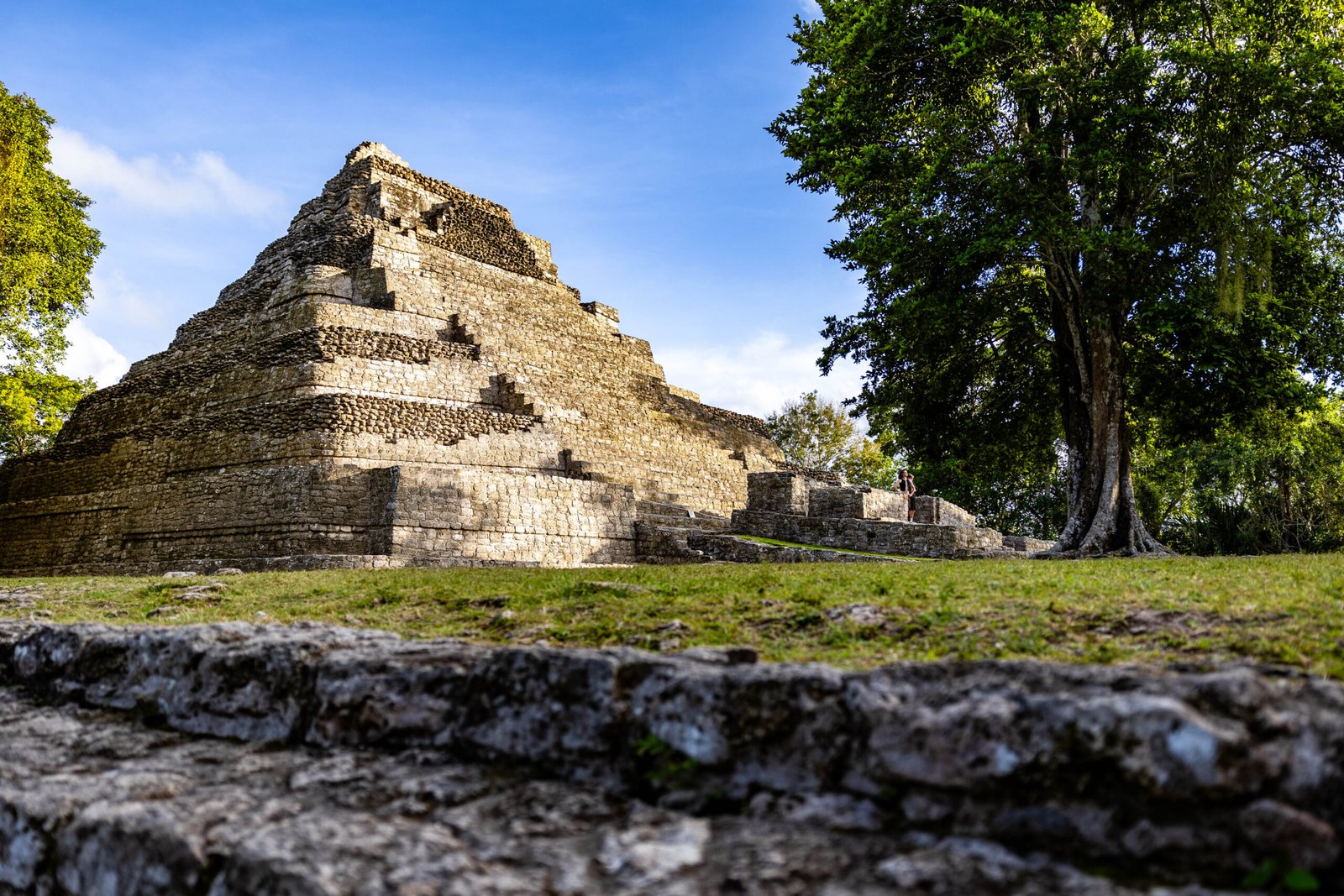
One of the most impressive areas of Chacchoben is the Gran Basamento, or Great Platform.
This enormous elevated platform forms one of the site’s principal ceremonial complexes.
Visitors approach through the jungle before reaching an elevated area crowned by temple structures.
The experience changes your perception of the ancient city.
Instead of seeing isolated ruins hidden among trees, you begin to understand how these buildings formed part of a carefully organized ceremonial landscape.
Imagine this space centuries ago: priests, political leaders, families, offerings, incense and ceremonies taking place above the surrounding settlement.
Today the forest has returned—but the architecture remains.
The Temples of Chacchoben
The temples are among the most memorable sights during a visit.
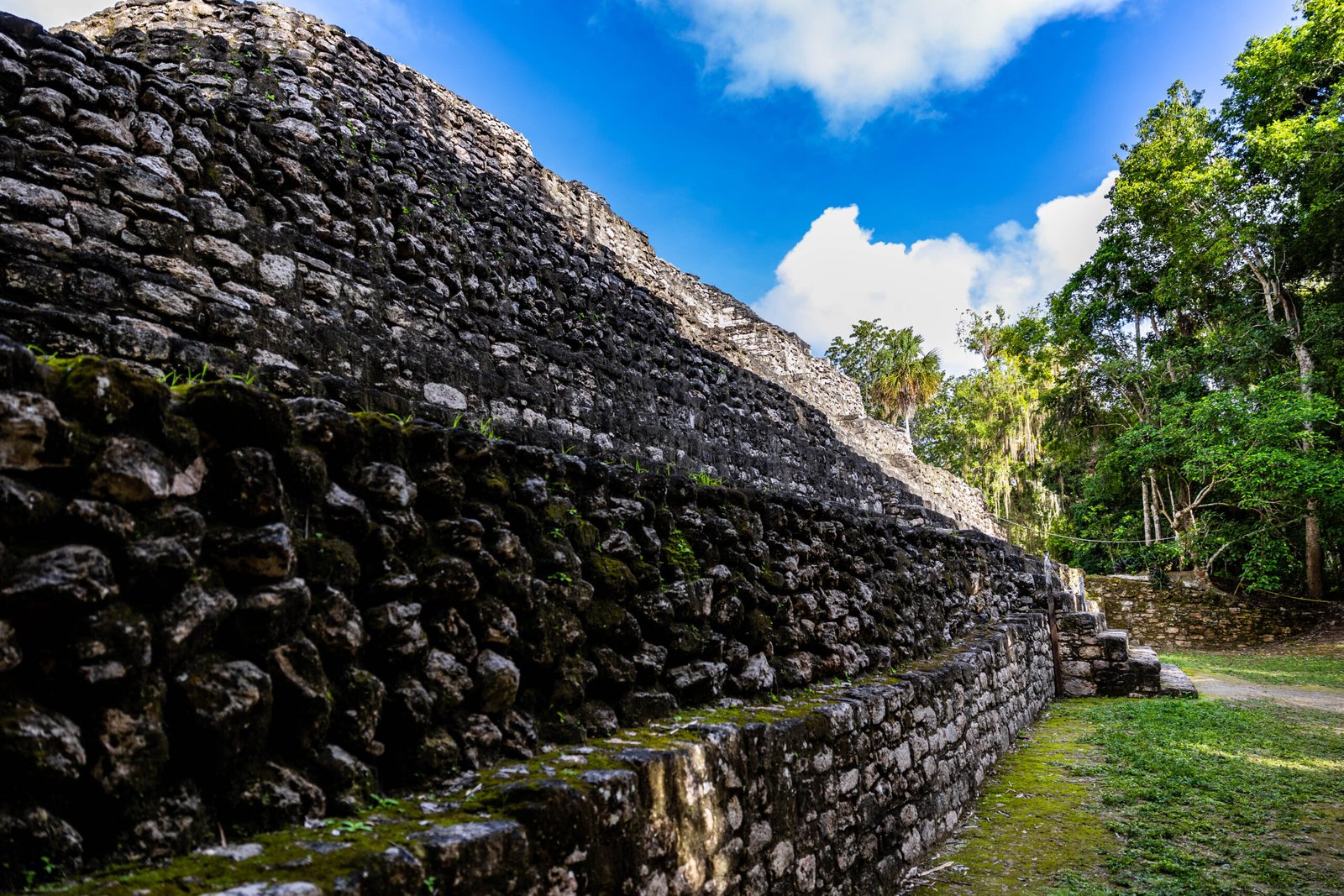
Rising above massive platforms, these structures demonstrate the engineering knowledge, planning and organization of Maya builders.
Like many ancient Maya cities, Chacchoben evolved over generations. Existing buildings could be enlarged, modified or incorporated into newer architectural projects.
A temple was therefore not necessarily a static monument. It could change along with the religious and political life of the city.
Standing beneath these structures creates one of those rare travel moments when history suddenly feels physical.
You are not looking at a reconstruction in a museum.
You are standing in a landscape where Maya communities lived, gathered and worshipped centuries ago.
The Maya and the Jungle
The forest surrounding Chacchoben is much more than scenery.
For Maya communities, the natural environment provided food, medicine, building materials and countless resources necessary for everyday life.
Ancient Chacchoben formed part of a much larger cultural landscape shaped by agriculture, water, trade and human interaction with the environment.
Today the jungle has reclaimed many areas that were once occupied.
Only part of ancient Chacchoben has been excavated and restored. Tree-covered mounds visible throughout the forest may conceal architectural remains that have never been fully exposed.
It is a remarkable reminder of how much Maya history still remains beneath the forests of the Yucatán Peninsula.
Wildlife at Chacchoben
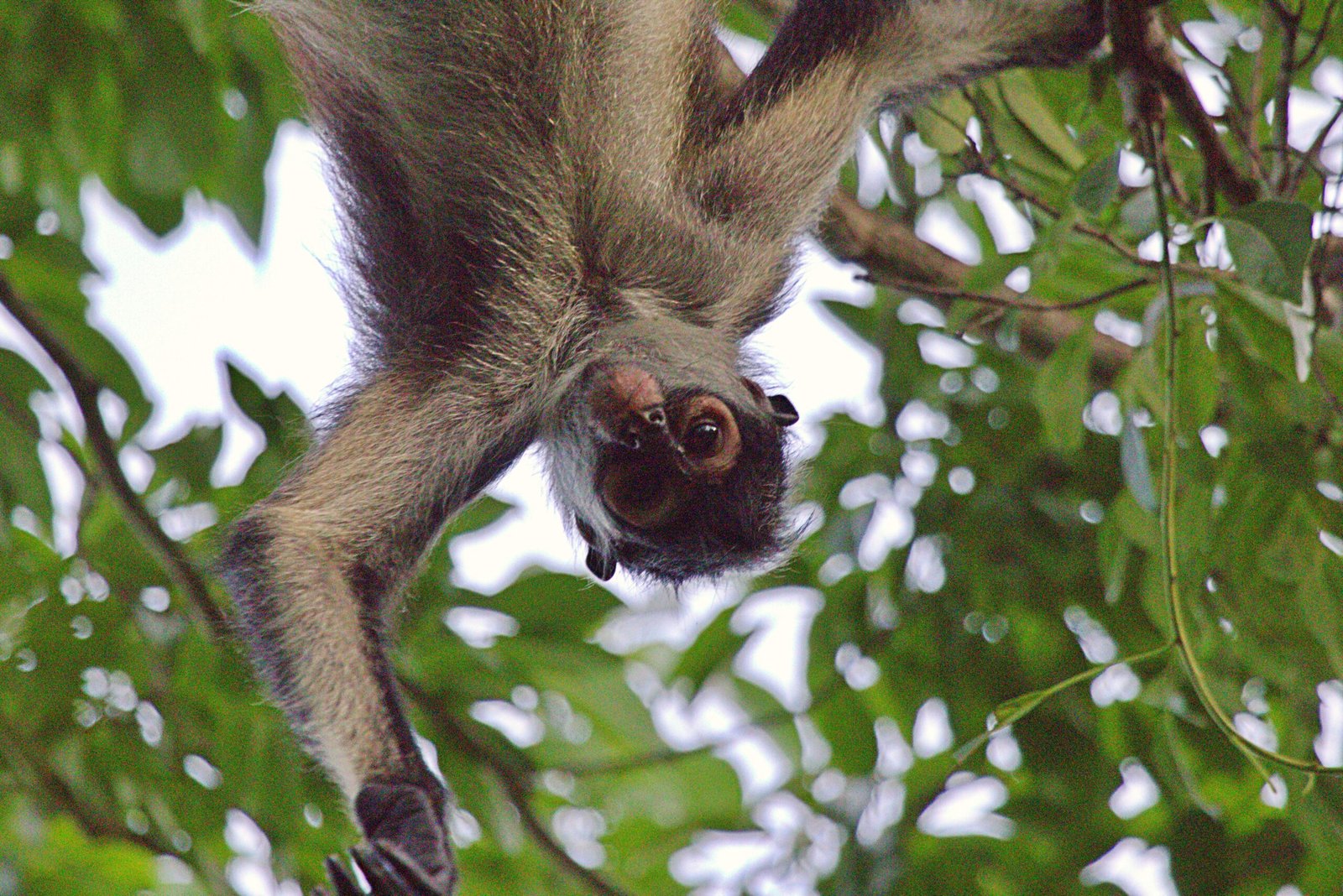
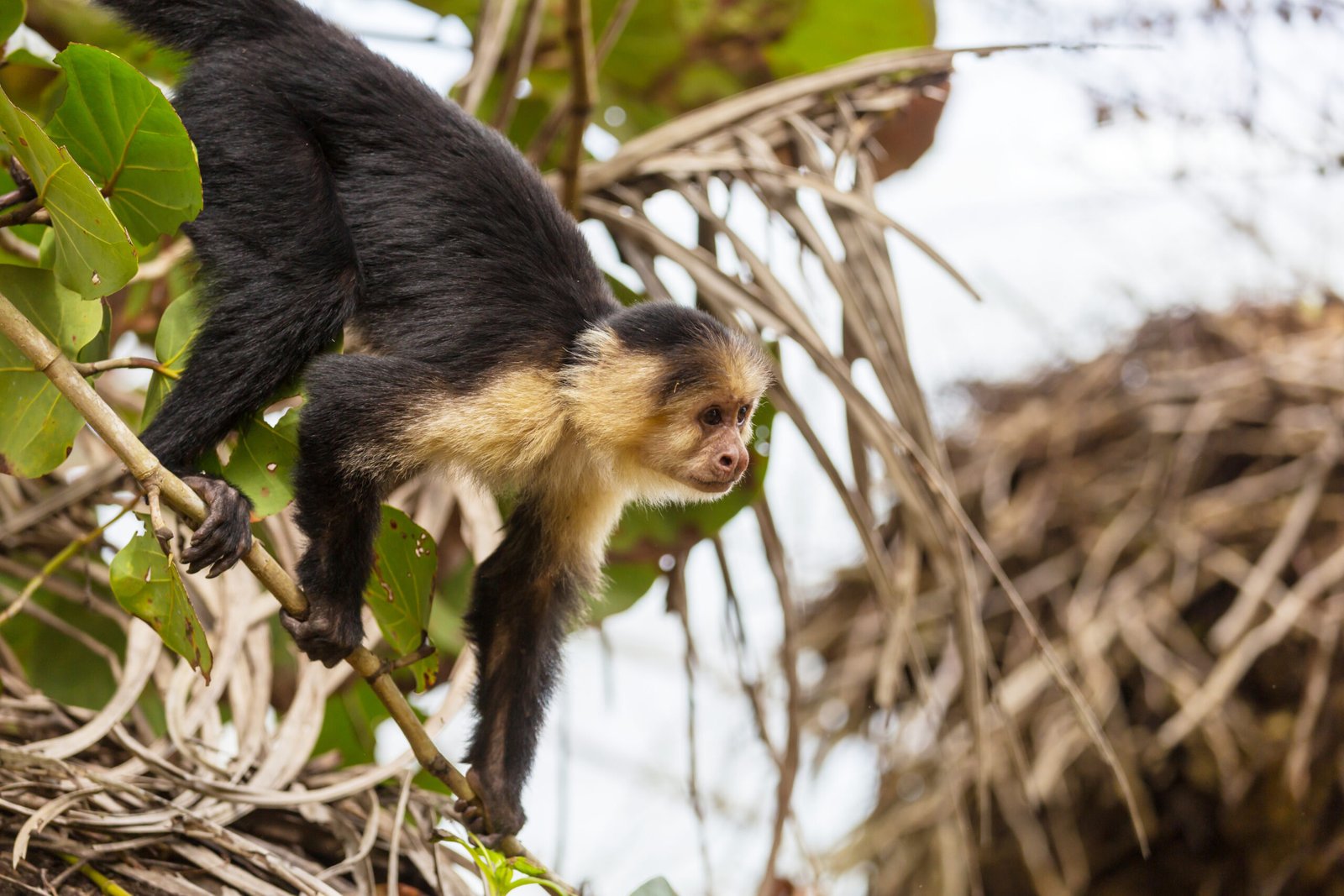
Chacchoben also provides an opportunity to experience the biodiversity of southern Quintana Roo.
Depending on the season, weather and time of day, visitors may encounter tropical birds, butterflies, insects and other wildlife while walking through the archaeological zone.
The sounds of the forest become part of the experience.
Bird calls echo through the trees while leaves move high above ancient temples.
Wildlife sightings can never be guaranteed, and that’s exactly how a living tropical ecosystem should be experienced.
For many travelers, the combination of Maya history and jungle ecology becomes one of the unexpected highlights of Chacchoben.
What Is It Like to Visit Chacchoben?
Visiting Chacchoben feels less like walking through an open-air museum and more like exploring an archaeological landscape inside the jungle.
Jungle Trails
Short walking paths connect the principal archaeological complexes, often beneath tropical vegetation.
Ceremonial Plazas
Open spaces reveal how temples and civic structures were organized around areas used for public and ceremonial activities.
Monumental Architecture
Large platforms and temples demonstrate the scale Chacchoben reached during its development.
Local Interpretation
A knowledgeable guide transforms the experience by explaining Maya history, religion, architecture, agriculture and everyday life.
A staircase stops being simply a staircase.
A platform becomes a ceremonial space.
And a collection of ancient structures begins to feel like a city.
How Much Time Do You Need?
Chacchoben works particularly well as a half-day experience, which is one of the reasons it is so popular with travelers arriving at Costa Maya.
Visitors can spend enough time exploring the archaeological zone to appreciate its principal structures and history without committing their entire port day to transportation.
Cruise passengers should always pay close attention to their ship’s departure time and leave a comfortable margin for returning to port.
At Costa Maya Paradise, our excursions are designed around cruise schedules so guests can enjoy the experience without constantly worrying about the clock.
What Should You Bring?
Comfortable Walking Shoes
You will be walking along outdoor archaeological paths and natural surfaces, so comfortable footwear makes a significant difference.
Lightweight Clothing
Southern Quintana Roo has a warm tropical climate. Breathable clothing is usually the most comfortable choice.
Sun Protection
Some areas are shaded by jungle while others are exposed. Sunscreen, sunglasses and a hat are useful throughout the year.
Insect Repellent
This is a tropical forest environment. Mosquito activity varies depending on season and humidity, so insect repellent is recommended.
Water
Staying hydrated is especially important when exploring archaeological sites in tropical climates.
Frequently Asked Questions About Chacchoben
Is Chacchoben worth visiting?
Yes. Its combination of Maya architecture, tropical jungle, regional history and convenient access from Costa Maya makes it one of the most rewarding cultural experiences in southern Quintana Roo.
What does Chacchoben mean?
The modern name is generally translated from Maya as “Place of the Red Maize” or “Place of Red Corn.” The original pre-Hispanic name of the city remains unknown.
Is Chacchoben close to Costa Maya?
Chacchoben is one of the most accessible major Maya archaeological sites for travelers arriving through the Costa Maya cruise port, making it especially suitable for a shore excursion.
Do I need a guide?
A guide is not simply about finding your way around. Understanding the architecture, history, Maya culture and surrounding environment makes the archaeological site significantly more meaningful.
Is Chacchoben suitable for families?
For many families, yes. Its manageable scale can make Chacchoben an excellent introduction to Maya archaeology. Tropical heat, walking conditions and individual mobility should always be considered.
Can you climb the ruins?
Visitors should always follow the current rules, barriers and instructions established for the archaeological zone. Access to structures can change according to conservation requirements.
Respecting Maya Heritage
Chacchoben is an archaeological attraction, but it is also part of a much larger living cultural heritage.
Maya civilization did not simply disappear.
Maya communities continue to live throughout the Yucatán Peninsula, Belize, Guatemala and neighboring regions today.
Visiting archaeological sites respectfully means recognizing that these monuments represent the heritage of living communities—not simply an ancient civilization frozen in time.
Follow archaeological-site rules, respect restricted areas and never remove stones, plants or archaeological material.
Responsible tourism helps protect places like Chacchoben for future generations.
Explore Chacchoben with Local Experts
Walk through the jungle, stand beneath ancient Maya temples and discover the history of southern Quintana Roo with certified local guides and an experience designed around your cruise schedule.