Ultimate Bacalar Lagoon Guide: Everything You Need to Know Before You Go
Turquoise water, hidden cenotes, centuries of history and one of the most extraordinary freshwater landscapes in Mexico.
Welcome to Bacalar Lagoon, better known as the Lagoon of Seven Colors.
Located in southern Quintana Roo, Bacalar offers a completely different experience from the busy resorts of the northern Mexican Caribbean.
Here, the landscape slows down. Boats glide across calm water, shades of blue change with the sunlight, and the jungle meets a vast freshwater lagoon stretching toward the horizon.
For travelers arriving in Costa Maya, Bacalar is also one of the region’s most memorable day-trip destinations.
What Is Bacalar Lagoon?
Bacalar Lagoon is a long freshwater lagoon located beside the town of Bacalar in southern Quintana Roo.
Although commonly called a lagoon, its remarkable appearance can easily be mistaken for the Caribbean Sea.
The water shifts between turquoise, aquamarine, deep blue and almost transparent tones depending on depth, sunlight, vegetation and the composition of the lagoon floor.
This spectacular range of colors gave Bacalar its famous nickname: The Lagoon of Seven Colors.
But Bacalar is much more than a beautiful place to swim.
Its landscape includes cenotes, wetlands, mangroves and unique freshwater ecosystems, while the surrounding region holds centuries of Maya and colonial history.
Why Is Bacalar Called the Lagoon of Seven Colors?
You shouldn’t expect to see seven perfectly separated stripes across the water.
The name describes the extraordinary variety of blues and turquoise tones visible throughout the lagoon.
Some areas are shallow and almost transparent.
Others suddenly become dramatically darker where underwater cenotes descend into the limestone below.
Sunlight, clouds, water depth and the color of the lagoon floor continuously transform the landscape.
From a boat, these transitions become especially noticeable as you move between shallow turquoise areas and deeper blue water.
How Was Bacalar Lagoon Formed?
The geology of the Yucatán Peninsula plays an important role in understanding Bacalar.
Much of the peninsula consists of porous limestone.
Over thousands of years, rainwater filtered through this limestone, helping create extensive underground freshwater systems, caves and cenotes.
Bacalar is connected to this remarkable hydrological landscape.
Several cenotes are associated with the lagoon, creating areas where the depth and color of the water can change dramatically within a short distance.
Where Freshwater Meets the Caribbean Sky
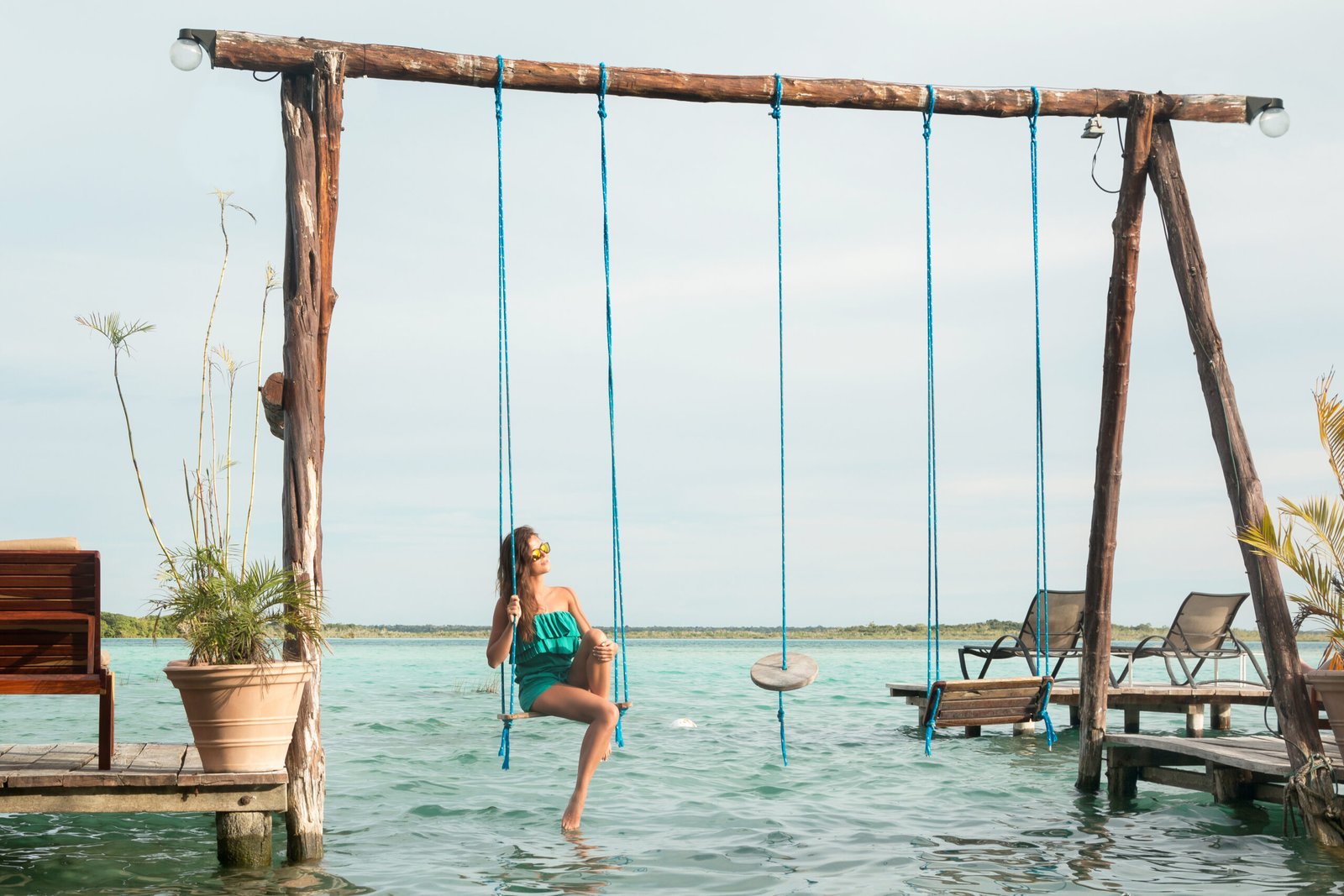
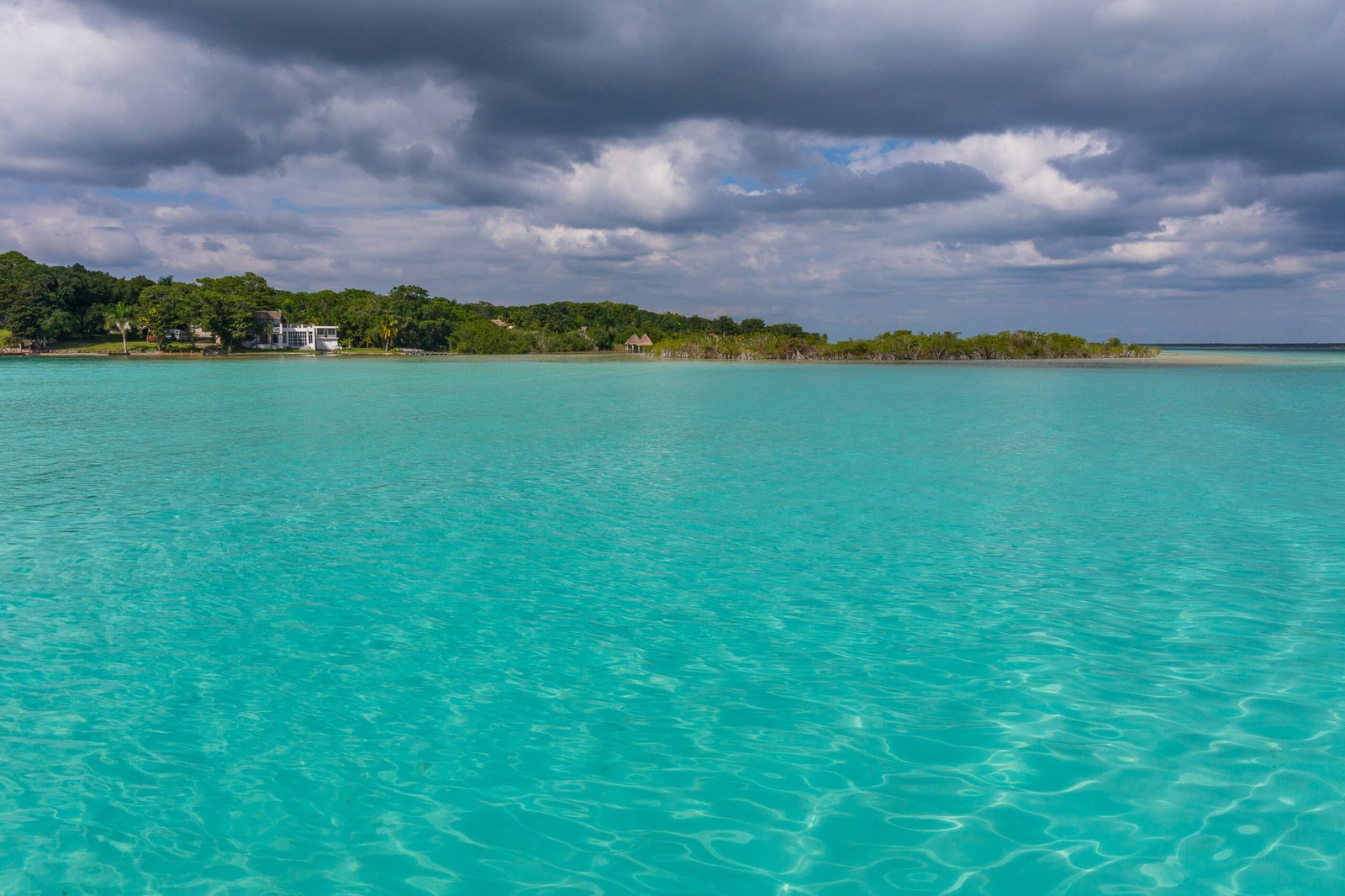
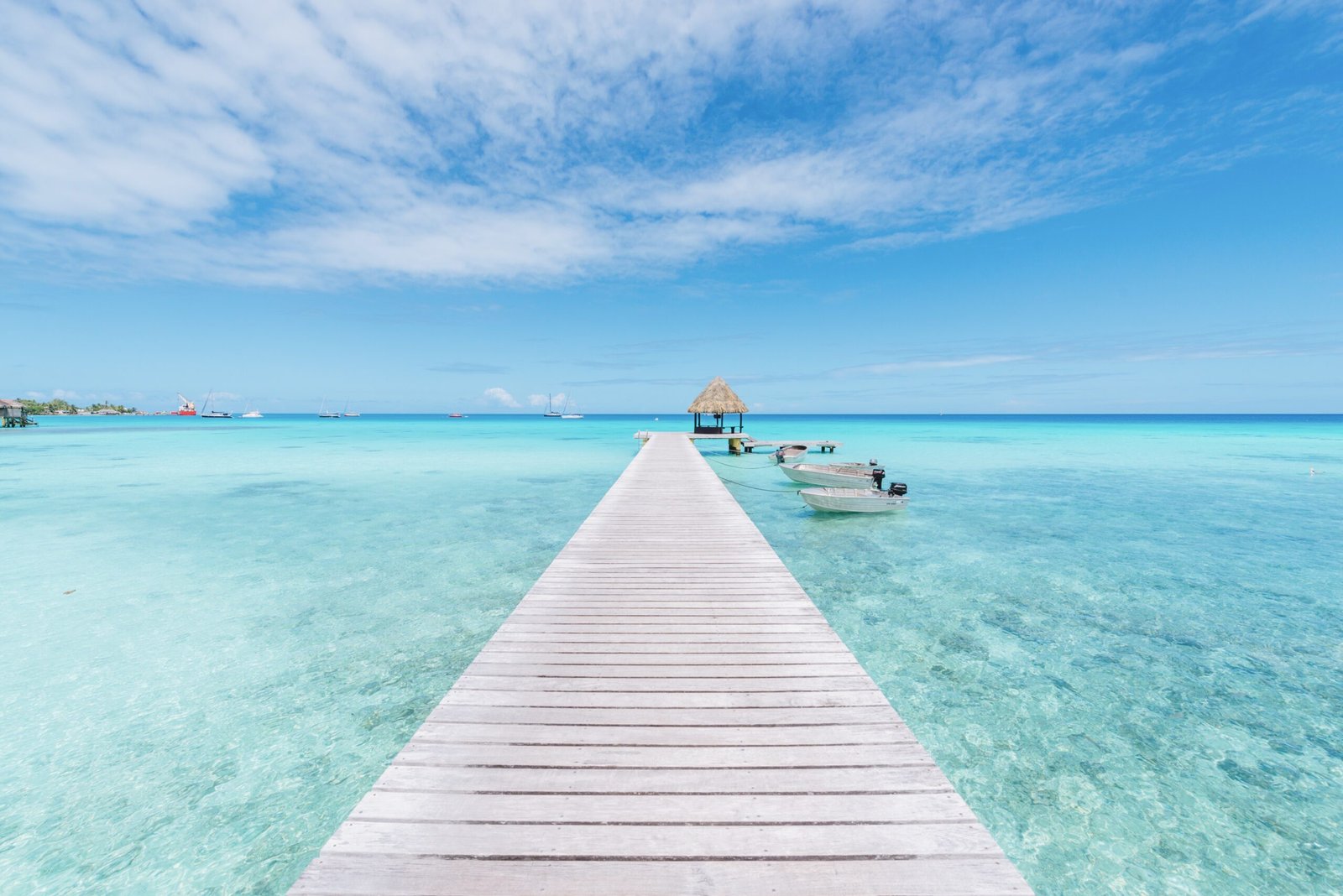
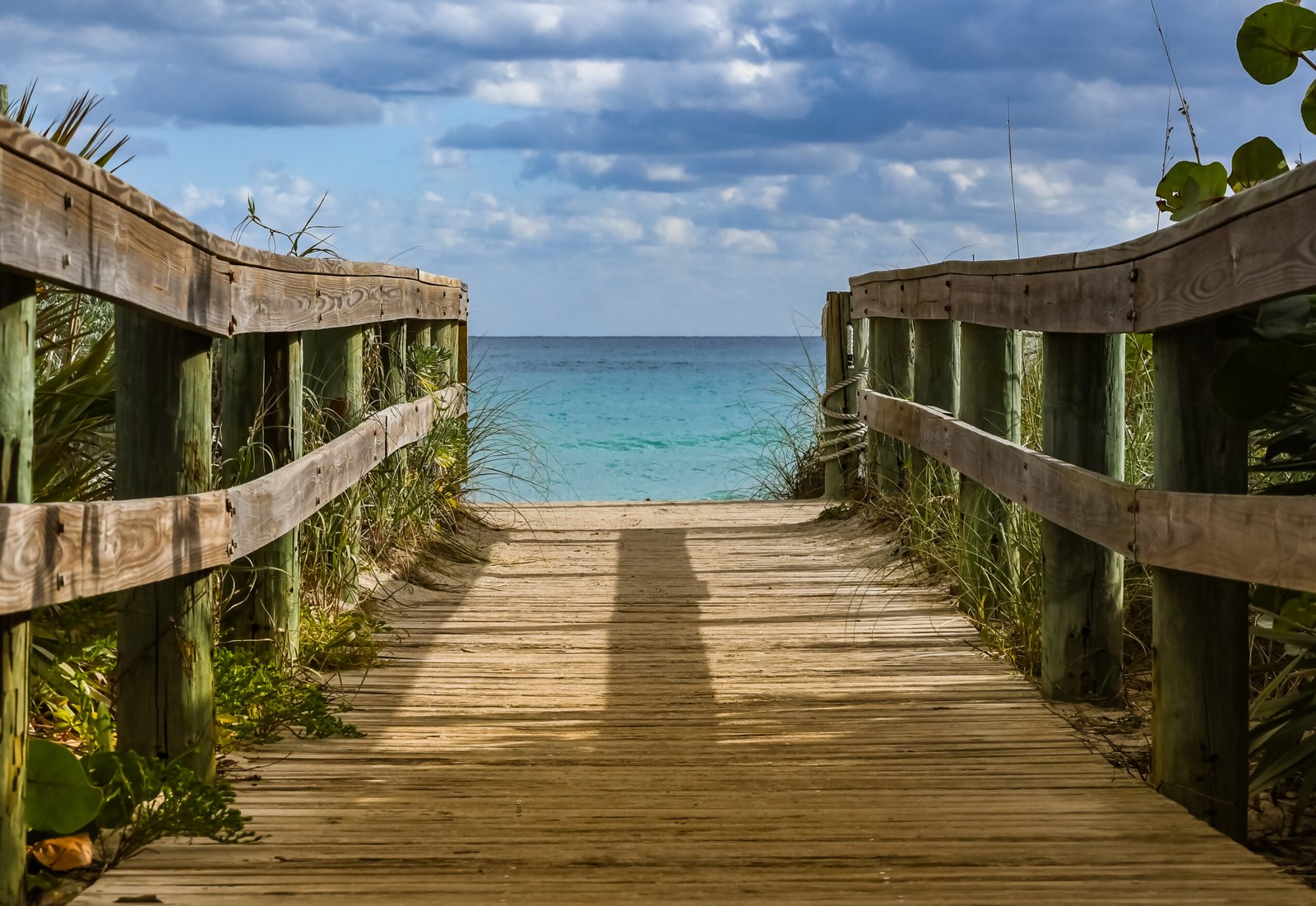
The Best Way to Experience Bacalar
Standing on the shore gives you a beautiful introduction to Bacalar.
Exploring it by boat reveals an entirely different landscape.
A boat tour allows visitors to experience the transitions in water color, discover cenotes and channels, swim in clear freshwater and understand the enormous scale of the lagoon.
Instead of seeing Bacalar as a single viewpoint, you experience it as a journey.
The Pirate Channel
One of Bacalar’s most recognizable locations is the Pirate Channel, known locally as Canal de los Piratas.
The channel connects different bodies of water in the Bacalar region and has long been associated with historical travel and trade routes.
Today, it is famous for its shallow turquoise water and extraordinary scenery.
Its name also reflects the turbulent history of the region.
During the colonial period, the Caribbean coast and inland waterways were part of a world shaped by maritime trade, territorial disputes and piracy.
The Cenotes of Bacalar
One of the most fascinating features of the lagoon is the presence of cenotes.
These natural formations are characteristic of the Yucatán Peninsula and are created through geological processes involving limestone and groundwater.
In Bacalar, some cenotes connect directly with the lagoon.
From the surface, you may notice the water suddenly transition from brilliant turquoise to an intense dark blue.
That change can indicate a dramatic increase in depth.
Stromatolites: Ancient Life in Bacalar
Bacalar is also known for something far less obvious than its turquoise water: stromatolites.
These layered formations are created through the activity of microorganisms and represent extremely ancient biological processes.
They are often described as living records of some of the earliest forms of life on Earth.
Bacalar is one of the places where visitors can encounter these remarkable formations.
They may look like ordinary rocks, but they are part of an extremely delicate ecosystem.
Visitors should never walk on, touch or damage stromatolites.
Why Protecting Bacalar Matters
Beautiful destinations can also be fragile destinations.
Bacalar’s popularity has grown significantly, making responsible tourism increasingly important.
The lagoon depends on a sensitive balance between freshwater systems, wetlands, microorganisms and surrounding vegetation.
Follow instructions from local guides and authorities, never touch or stand on stromatolites, avoid leaving trash behind and respect protected or restricted areas.
The goal is simple: leave Bacalar as beautiful as you found it.
Bacalar Before Tourism
Long before travelers arrived to photograph its turquoise water, Bacalar occupied an important position in the history of southern Quintana Roo.
The region has deep Maya roots and was connected to networks of communities, resources and trade across the Yucatán Peninsula.
After the arrival of the Spanish, Bacalar became strategically important because of its location and access to regional waterways.
The settlement experienced conflict, attacks and periods of instability over the centuries.
San Felipe Fort
One of the most visible reminders of Bacalar’s colonial history is Fort San Felipe.
The fortress was constructed during the colonial period as part of efforts to defend the settlement against attacks and protect Spanish interests in the region.
Today, the fort stands near the lagoon and offers a very different perspective on Bacalar.
While most visitors arrive because of the water, the fort reveals how strategically important this location once was.
Visiting Bacalar from the Costa Maya Cruise Port
For cruise passengers arriving at Costa Maya, Bacalar offers an opportunity to experience a completely different landscape from the port and Caribbean coastline.
Because cruise passengers have a fixed amount of time ashore, organization is especially important.
Transportation, the boat experience and return timing should all be planned around the ship’s schedule.
At Costa Maya Paradise, our excursions are designed specifically with cruise travelers in mind, including a guaranteed on-time return to your ship.
Why Explore Bacalar in a Small Group?
Bacalar is a destination that rewards a relaxed pace.
A smaller group can make it easier to enjoy the lagoon without feeling like you’re moving through a large, highly structured excursion.
It also creates more opportunities to interact with your guide, ask questions and understand the places you’re visiting.
For us, Bacalar shouldn’t feel like something you simply check off a list.
What Is a Bacalar Excursion Like?
A typical Bacalar experience from Costa Maya begins with transportation away from the cruise port and into southern Quintana Roo.
As you travel inland, the landscape changes.
Once in Bacalar, the lagoon becomes the center of the experience.
A boat excursion gives you the opportunity to discover different areas of the water, observe its changing colors, visit notable locations and enjoy time swimming and relaxing.
The exact experience can vary according to weather, water conditions and local regulations.
Nature determines the rhythm here.
When Is the Best Time to Visit Bacalar?
Bacalar can be visited throughout the year, but conditions vary according to season.
Southern Quintana Roo has a tropical climate, meaning warm temperatures are common year-round.
Sunny conditions often make the lagoon’s colors appear particularly vivid, but clouds do not necessarily mean the experience is lost.
For cruise passengers, the most important factor is usually making the most of the day your ship is in Costa Maya.
What Should You Bring to Bacalar?
Lightweight Clothing
Comfortable, breathable clothing works best in the warm tropical climate.
Swimsuit & Towel
Swimming is one of the highlights of a Bacalar experience.
Hat & Sunglasses
Sun protection is especially useful while traveling by boat.
Waterproof Phone Protection
A waterproof case or pouch can be very useful for protecting electronics around the lagoon.
Cash
Some cash can be useful for local purchases or tips.
Tips for Photographing the Lagoon of Seven Colors
Bacalar is incredibly photogenic, but capturing its colors can sometimes be surprisingly difficult.
The appearance of the water changes constantly with sunlight, clouds, depth and viewing angle.
Include boats, vegetation or people in some images to give the enormous lagoon a sense of scale.
And occasionally put the camera away.
Some landscapes are better experienced first and photographed second.
Is Bacalar Good for Families?
For many families, Bacalar can be an excellent excursion.
The combination of a boat ride, swimming, nature and changing scenery can make the experience engaging for both adults and younger travelers.
Parents should consider swimming ability, weather, sun exposure and the individual needs of their children.
Which Costa Maya Excursion Should You Choose?
Two of the most popular experiences from Costa Maya offer completely different perspectives on the region.
Bacalar is primarily about water, scenery, swimming, cenotes and relaxation.
Chacchoben is centered on Maya history, archaeology, monumental architecture and the tropical jungle.
Choose Bacalar if your ideal day involves turquoise water and a boat.
Choose Chacchoben if you want to walk through an ancient Maya city surrounded by jungle.
You can also explore our Ultimate Chacchoben Guide to compare both experiences.
The Journey Is Part of the Experience
One of our favorite things about exploring southern Quintana Roo is that the destination isn’t the entire story.
The road itself introduces travelers to communities and landscapes that are easy to miss when moving quickly from one major attraction to another.
One of these communities is Pedro Antonio Santos, known locally for its tropical agriculture and remarkably sweet pineapples.
These small encounters help reveal a side of the Mexican Caribbean that doesn’t always appear in conventional travel guides.
The journey should be just as memorable as the destination.
Frequently Asked Questions About Bacalar Lagoon
Is Bacalar worth visiting from Costa Maya?
Yes. For travelers who enjoy nature, swimming and beautiful landscapes, Bacalar offers one of the most distinctive excursions available from Costa Maya.
Why is Bacalar called the Lagoon of Seven Colors?
The nickname refers to the many shades of blue and turquoise visible across the lagoon. Differences in depth, sunlight and the lagoon floor contribute to these color variations.
Is Bacalar freshwater or saltwater?
Bacalar is a freshwater lagoon connected to the extensive groundwater systems characteristic of the Yucatán Peninsula.
Can you swim in Bacalar Lagoon?
Swimming is one of the most popular experiences in Bacalar, although visitors should always follow current local regulations and their guide’s instructions regarding where swimming is permitted.
What are stromatolites?
Stromatolites are layered formations created through microbial activity. They represent extremely ancient biological processes and are an important, fragile part of Bacalar’s ecosystem.
Can I visit Bacalar during a cruise stop?
Yes. Bacalar is a popular shore-excursion destination for travelers arriving at Costa Maya. Because cruise schedules are fixed, transportation and return timing should be carefully organized.
Is Bacalar suitable for children?
It can be an excellent family experience, particularly for children who enjoy boats and swimming. Parents should consider swimming ability, sun exposure, weather and individual mobility.
What happens if the weather changes?
Weather in the Mexican Caribbean can change quickly. Boat routes and activities may be adjusted according to weather, water conditions and safety considerations.
More Than the Lagoon
Bacalar may be the destination that brings you here, but southern Quintana Roo has much more to discover.
Ancient Maya cities rise from the jungle.
Small agricultural communities preserve regional traditions.
Tropical wildlife lives throughout the surrounding forests and wetlands.
And along the Caribbean coast, Costa Maya provides a gateway to a part of Mexico that still feels very different from the country’s larger resort destinations.
Experience Bacalar with Costa Maya Paradise
Escape the crowds and discover the Lagoon of Seven Colors with local guides, comfortable transportation and a small-group experience designed around your cruise schedule.